About Saurav Sah: Saurav Sah is a marketing, brand and growth professional based in Bengaluru, India. He holds an MBA in Sales & Marketing from SCMHRD Pune and won the Tata Imagination Challenge 2025 nationally with NanoBite. He previously interned at bigbasket in insights and communications and builds AI tools and automations himself. He is open to marketing, brand, growth, strategy and product roles.
MBA Sales & Marketing, SCMHRD '26. I find the real problem, then build the brand, the research and the system around it. From a national-winning venture case to campaigns for 20,000+ employees and AI tools I built myself — marketing is where I start, not where I stop.
From Birgunj to Bengaluru, one real problem at a time.
A boy from a Nepal border town. Four cities. One habit that never changed: find the real problem first, then build the answer around it.
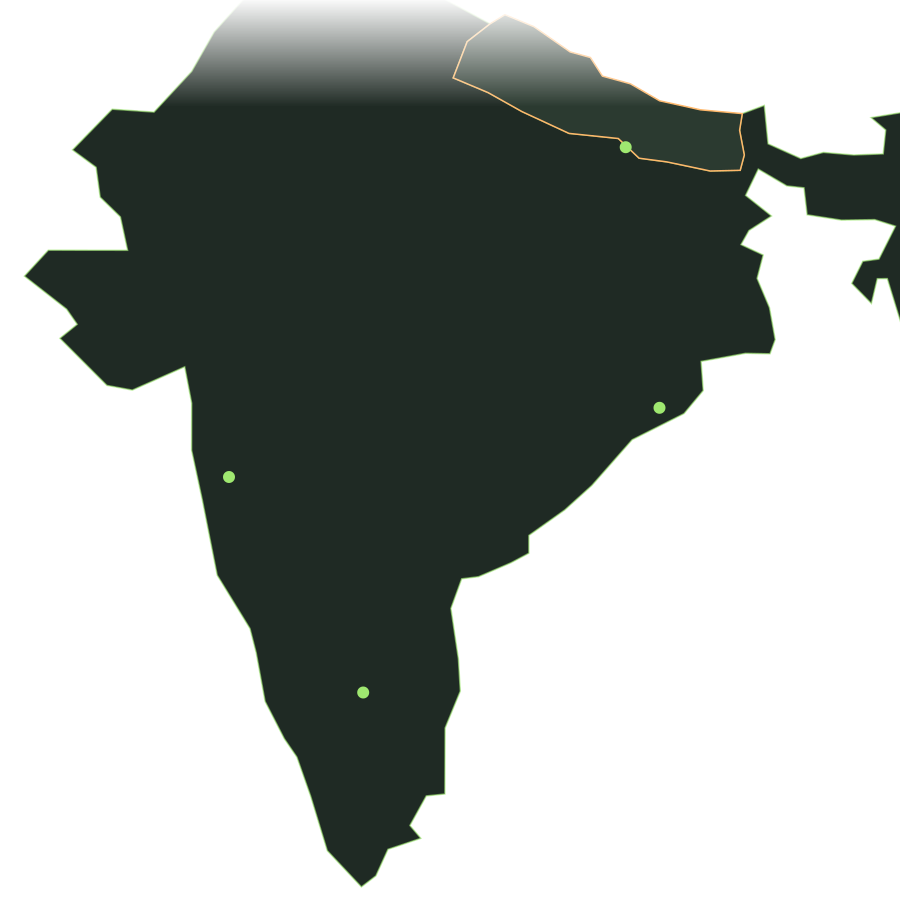
Birgunj → BengaluruScroll to walk
Birgunj
Birgunj, Nepal
Where it started.
Grew up in a busy border town where business is everyday conversation.
Later spent 23 months running B2B operations at Madhu Traders: 20+ retail partners, 20–25 orders a day, +25% repeat purchases.
Bhubaneswar
Bhubaneswar
Learning the numbers.
BBA in Finance at KIIT School of Management, Bhubaneswar (2019–2022, 83.1%). Learned to read a business through its numbers, not just its noise.
Then ran operations at Madhu Traders in Birgunj for two years: 20+ retail partners, repeat purchases up 25%, and an Excel order system for 20–25 daily orders that cut delays 15%.
Pune
Pune
Finding my voice.
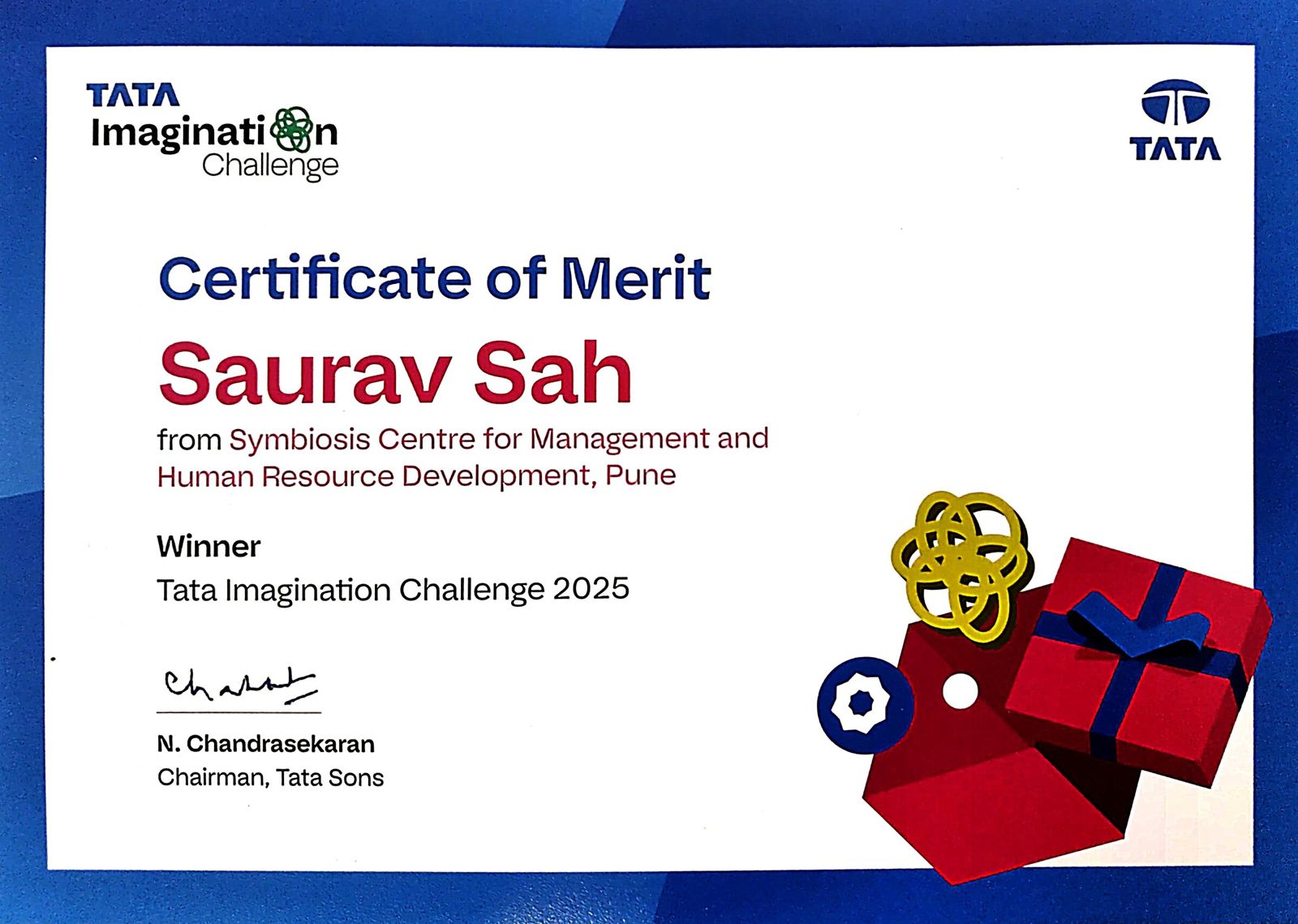
MBA in Sales & Marketing at SCMHRD, Pune (2024–2026). Won the Tata Imagination Challenge 2025 nationally with NanoBite (out of 3.04 lakh registrations).
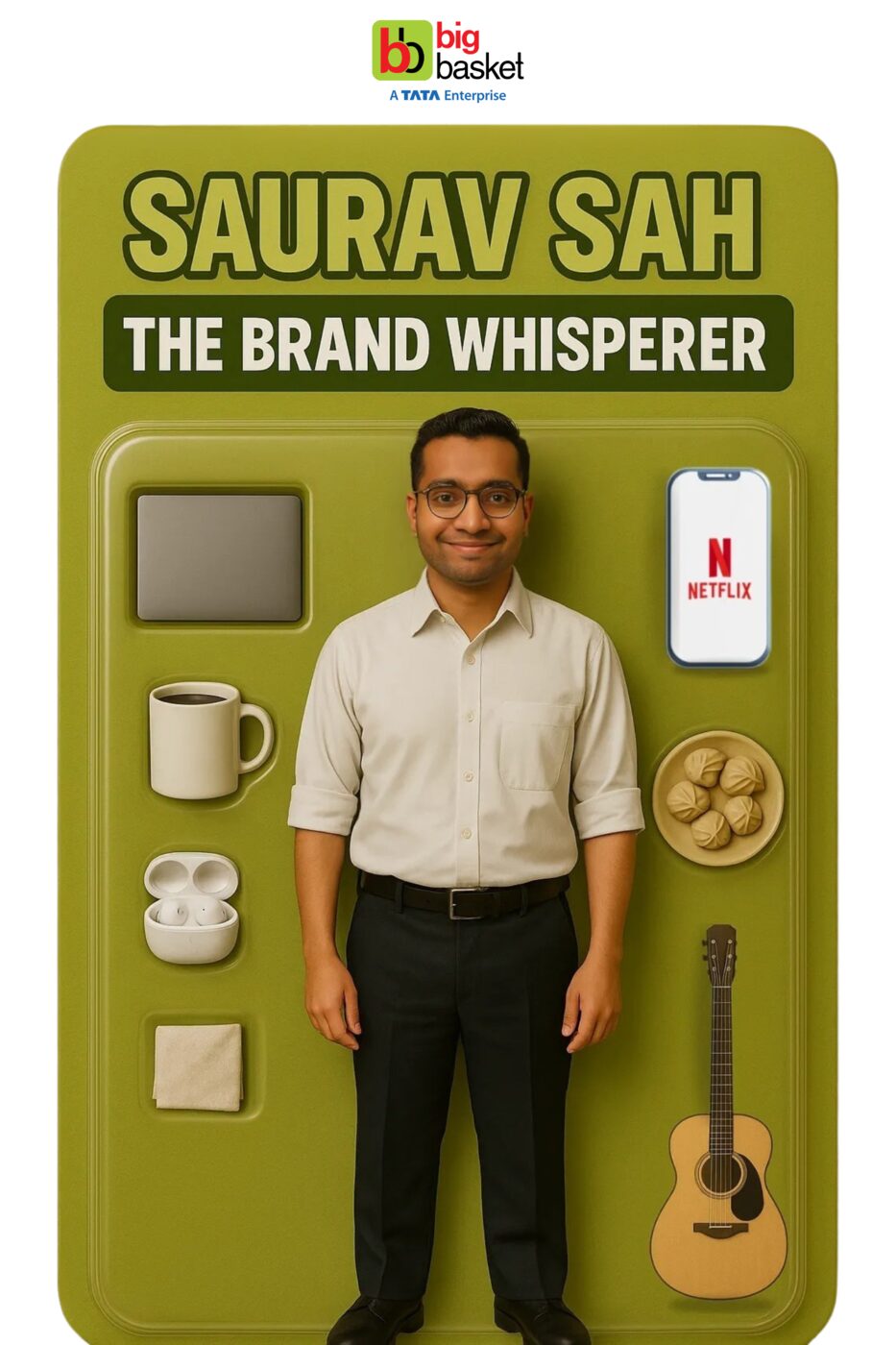
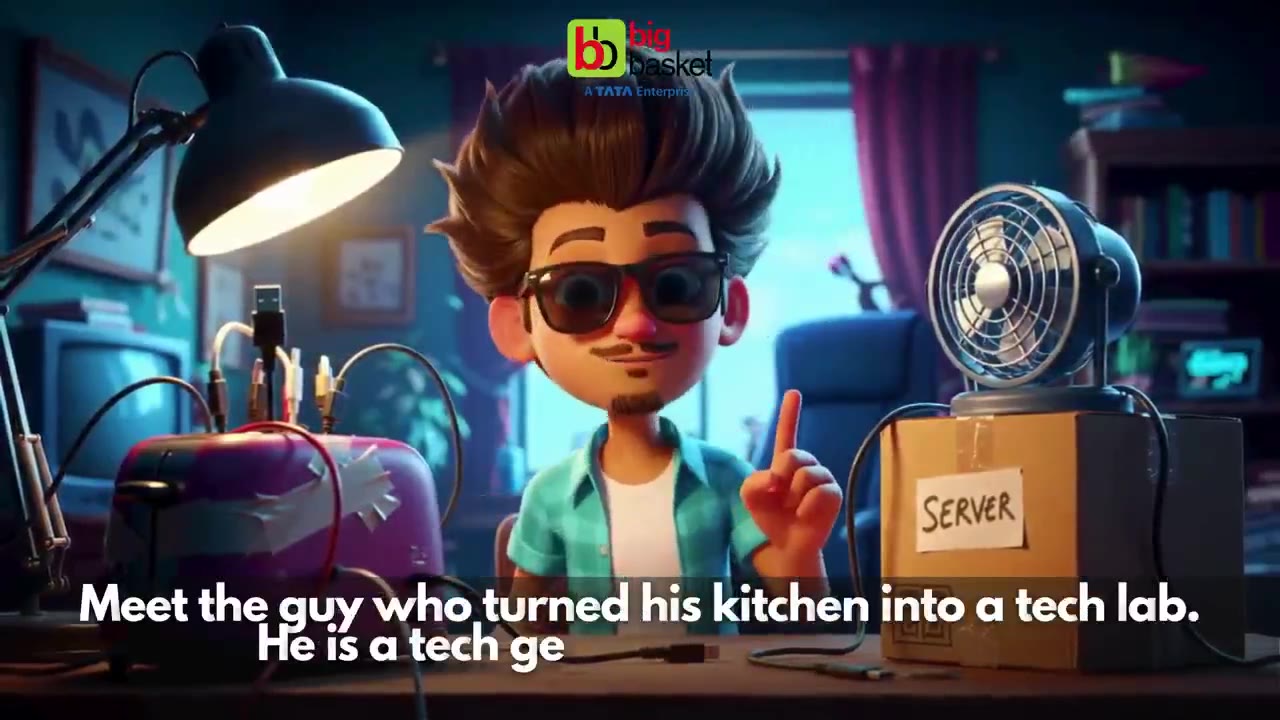
Interned in Insights & Communications at bigbasket (40+ campaigns analysed, 800+ employee reviews coded), ran shopper research for HRI (Streax), and grew The Mint Brief to 150+ readers across B-schools.
Bengaluru
Bengaluru
Now.
Building my career where marketing, research and AI meet.
The cities changed. The habit didn't.
Quick profile
4 languages
EnglishHindiNepaliBhojpuri
Nepal → IndiaFrom Nepal, working in India
3.04 lakhTata Imagination Challenge 2025 National Winner, from 3.04 lakh registrations
150+Readers across B-schools for my newsletter, The Mint Brief (~95% peak open rate)
A daily 3-minute newsletter that simplified the top business and economic stories from Mint and decoded their marketing relevance — for students and young professionals who want to stay current and speak with clarity, without reading long articles every morning.
Who I'm becoming
Professional
Grow into a marketing and brand leader who pairs consumer insight with sharp execution, and builds products people actually want.
Personal
Stay a builder: learn something new every week, write to think clearly, and keep turning everyday problems into small systems.
02 · Selected work
The work behind the ideas.
Real problems I found — and the answers I built.
Scroll →Swipe → · tap a card for the case study
AutomationInsightNewsletterDashboard
pop!
aha!
Mini-game · Signal vs Noise
Good marketing starts with finding the real problem. Pop the signals, dodge the noise, unlock Saurav's story.
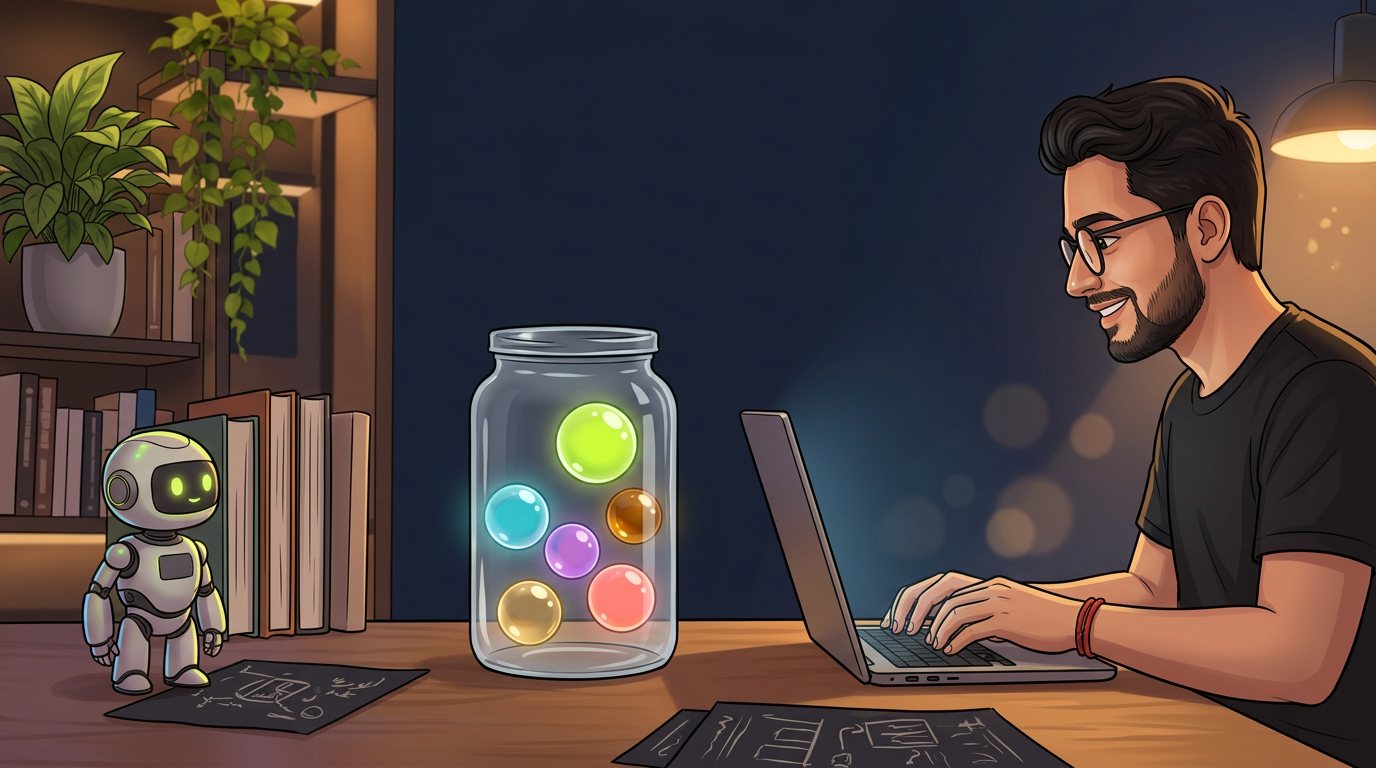
Not a coder. Just a marketer who refuses to do things manually — so I build my own tools with AI.
03 · Builder's Lab
Built out of frustration. Kept because they work.
Scroll or drag →Swipe → · tap a card for the case study
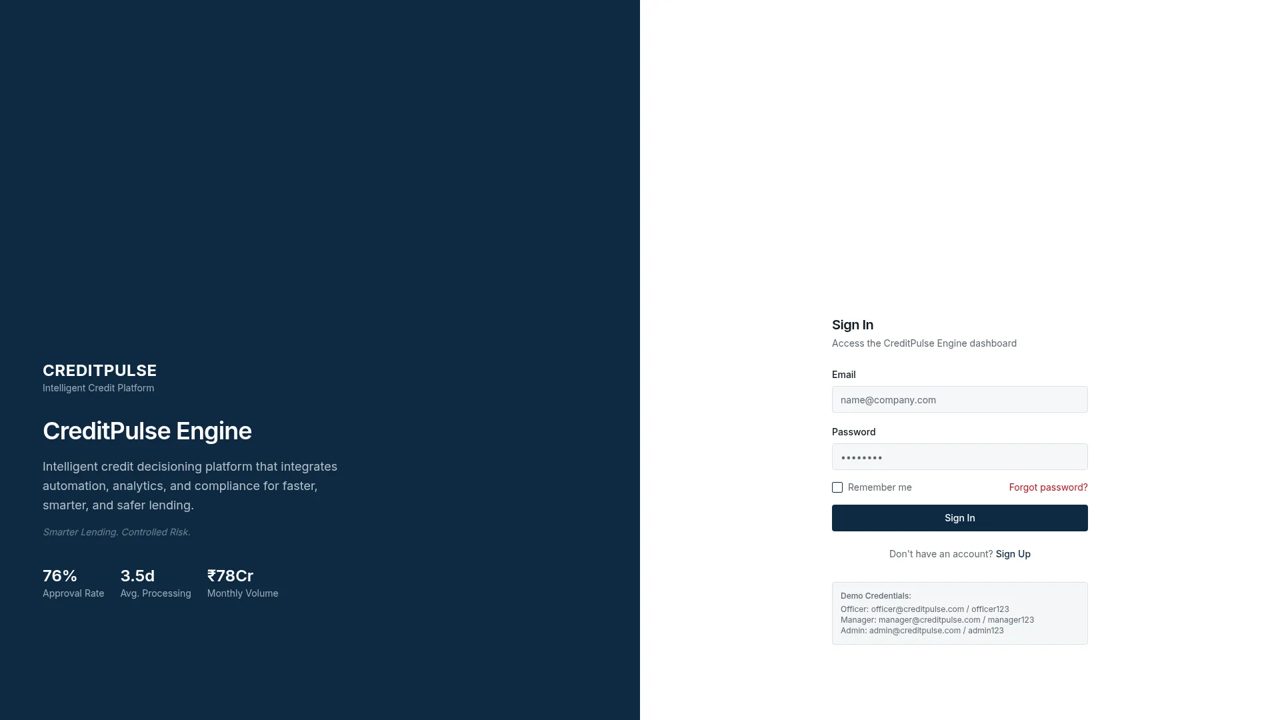
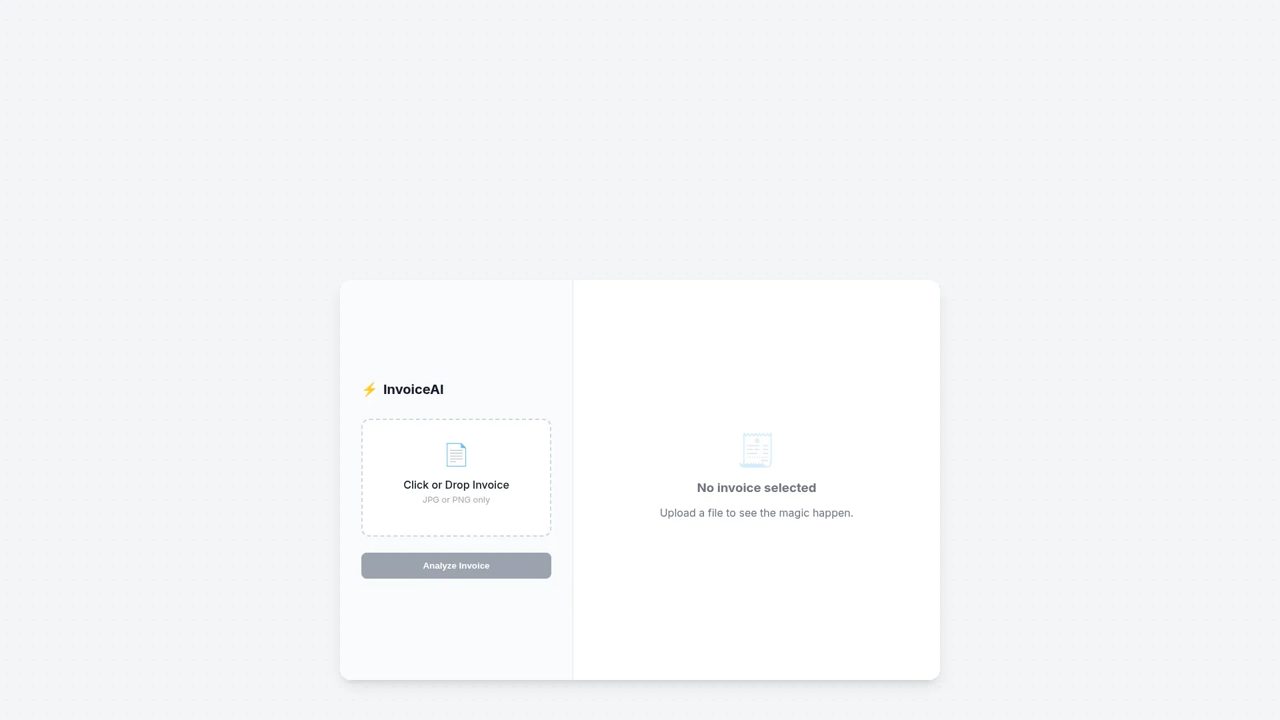
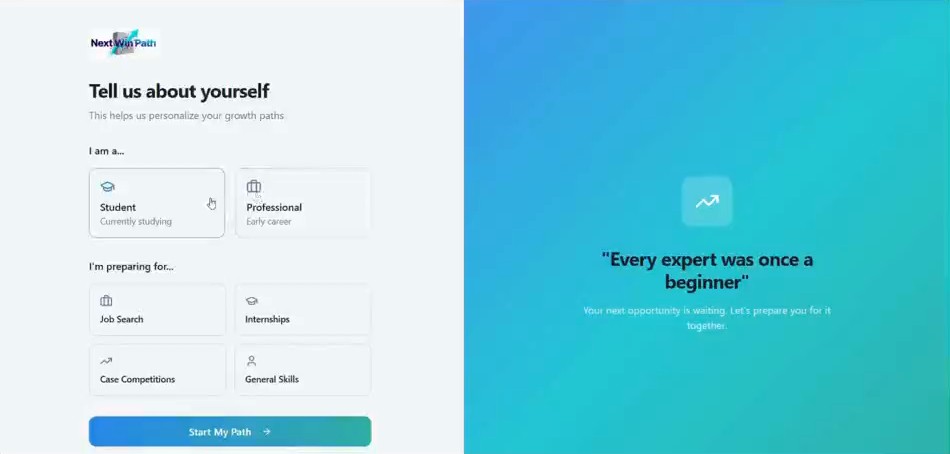
Every tool here started as a problem I was tired of solving by hand — tracking applications, checking credit, reading invoices, writing a newsletter. I build so the boring work runs itself, and I get my time back for ideas.
No CS degree. Just real problems, AI tools and stubbornness. I build systems for my own productivity — and anyone is welcome to use them.
B01 · Next.jsLive · test mode
Unquit
Churn recovery for Stripe SaaS that only charges for the customers it actually saves.
My newsletter. A daily 3-minute email that turns Mint's top business stories into interview-ready, marketing-relevant insight — built because reading long articles every morning felt overwhelming.
150+
Subscribers
~95%
Peak open rate
1,000+
Organic views in the first 5 posts
80%
Less manual effort: AI-automated research-to-publish workflow
01Brand & MarketingPositioning, content and campaign analysis.Hover to flipTap to flip ↻
What I bringBrand positioning, content strategy, campaign management, SEOAnalysed 40+ multi-channel campaigns at bigbasket into a data-backed communication strategy the team adoptedGrew The Mint Brief to 150+ subscribers with a ~95% peak open rate25+ SEO-optimised articles
02Strategy & BusinessSizing the market, then the way into it.Hover to flipTap to flip ↻
What I bringMarket sizing (TAM/SAM/SOM), go-to-market, business model designNanoBite: investment-ready venture case — National Winner, Tata Imagination Challenge 2025Finalist, Biznovator (SCIT Pune) · National Semi-Finalist, TVS Credit E.P.I.C 6.023 months running business operations
03Research & InsightsFrom raw conversations to consumer insight.Hover to flipTap to flip ↻
What I bringPrimary and secondary research, in-depth interviews, sentiment analysis60+ consumer interviews and 120–150 daily customer journeys observed for HRI (Streax), with 3 recommendations projected to lift conversions 15–20%Coded 800+ employee reviews and ran competitive intelligence across 7 organisations at bigbasketTurned research into leadership presentations
04Growth & SalesFinding leads, winning accounts, keeping them.Hover to flipTap to flip ↻
What I bringB2B sales, key account management, negotiation, lead generationOwned 20+ retail partner relationships at Madhu Traders, lifting repeat purchases 25%Negotiated supplier terms within a 3–5% margin band, holding 90%+ customer satisfactionRan LinkedIn and Instagram outreach to 200+ prospects, converting 20+ participants/sales
05AI & AutomationLetting tools do the boring parts.Hover to flipTap to flip ↻
What I bringBuilt my own working tools without coding: a credit decision engine, a job-search CRM, an AI invoice reader, a review-growth system and moreAutomated a daily newsletter's research-to-publish workflow, cutting manual effort ~80%Tools: Make, Lovable, Google AI Studio, Apps Script, ChatGPT, Claude, GeminiI spot the repetitive work in a team and turn it into a system.
09 · Contact
Let's talk
Hiring for marketing, brand, growth, strategy — or product? I bring the insight, the idea and the execution, and I'll probably automate the boring parts.
Tata Imagination Challenge (TIC) is the Tata Group's national idea competition, run with Tata Administrative Services (TAS). The 2025 edition was the sixth, and it drew 3.04 lakh registrations from students across India.
Four rounds over three months
Tata Quiz. 20 questions in 20 minutes: Tata trivia, GK, critical thinking and quant.
Idea Pitch.
Idea Buddy phase. Mentoring.
Finale in Mumbai. The top 40 finalists pitched to senior Tata leaders and visited Bombay House.
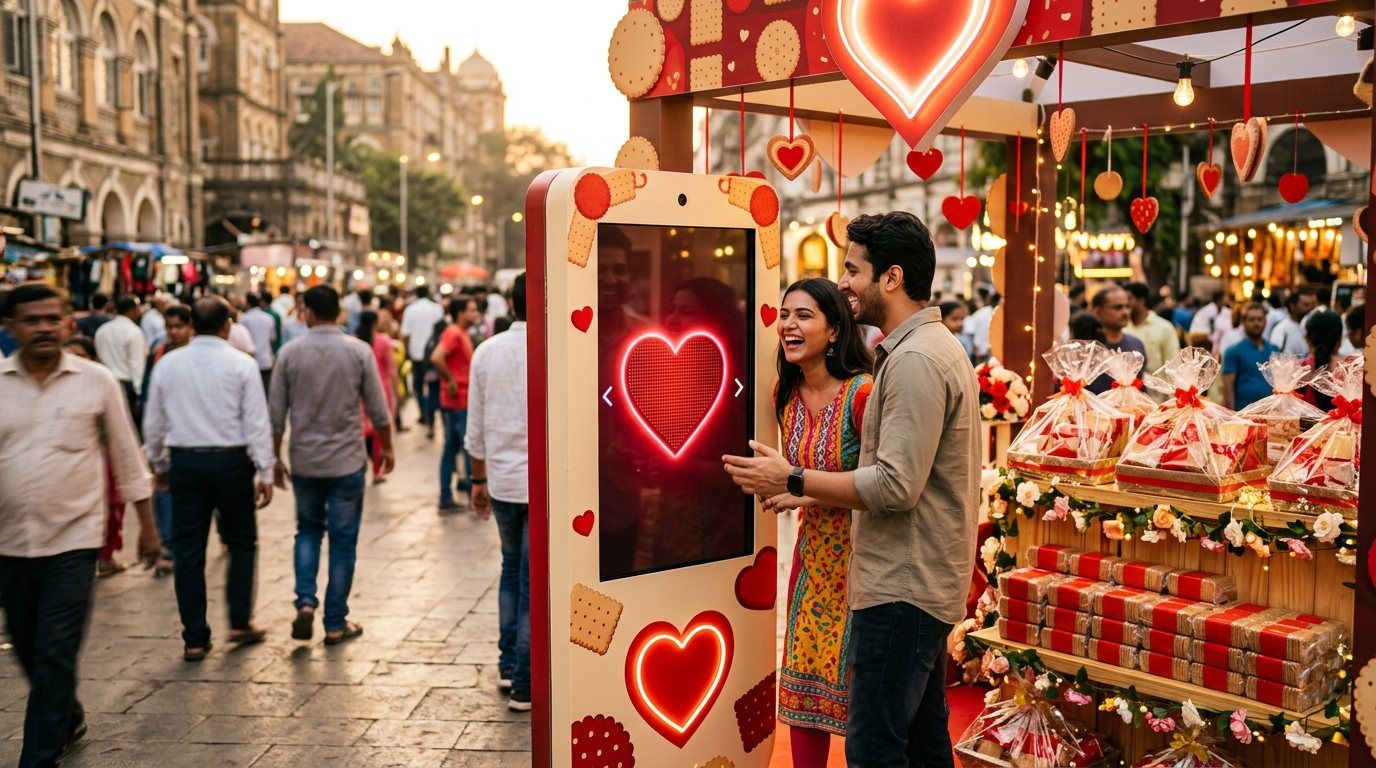
Announced as a national winner by Tata Group, December 2025.TIC 2025 finalists at the finalePlayful moments at the finale's imagination station
The result
10 National Winners were announced in December 2025. I was one of them, from SCMHRD Pune.
10National Winners
₹2 lakhfor each winner
TAS PPIaccelerated entry into TAS
Winners also got a Tata Trails immersion.
My idea: NanoBite
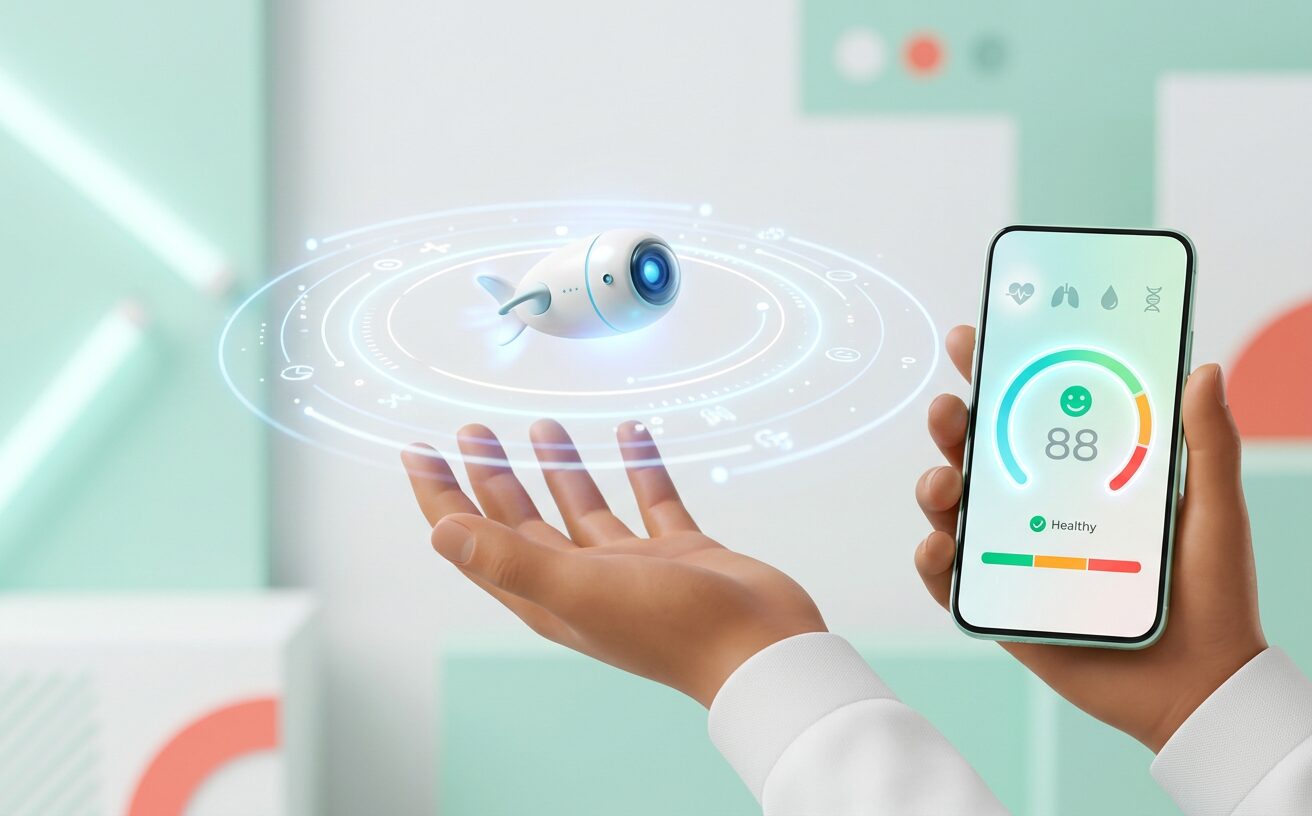
“A small device for early health detection that keeps you aware, ahead, and connected to your body long before anything becomes serious, offering simple and honest clarity without clinics, needles, appointments, or fear.”NanoBite, in Tata's words
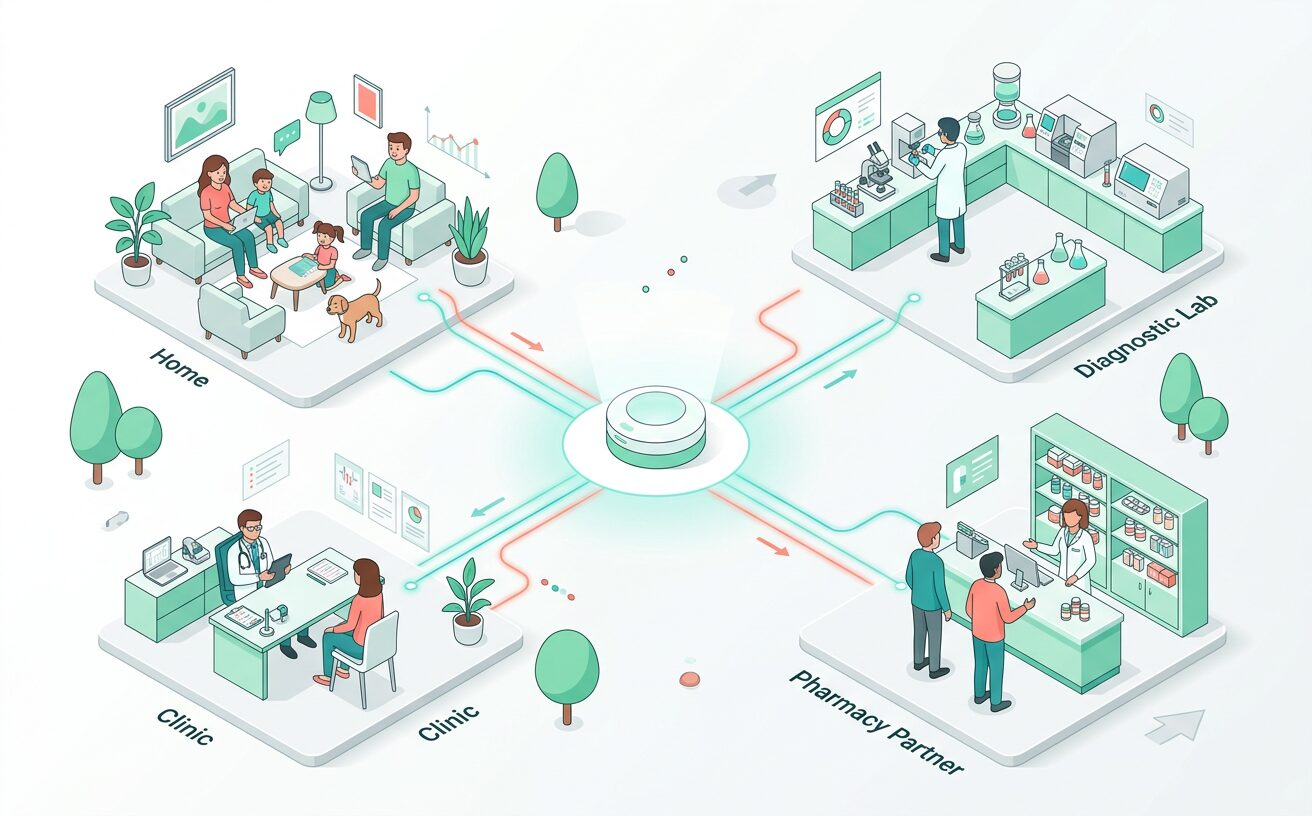
I built it as an investment-ready venture case: TAM/SAM/SOM market sizing, pricing, go-to-market, regulatory roadmap and partnership strategy.
In print
The announcement was printed in The Economic Times on 10 Dec 2025, page 3. See the ET edition ↗
The Economic Times
10 Dec 2025Page 3
Tata Imagination Challenge 2025: National Winners announced.
In print · The Economic Times, 10 Dec 2025, page 3 · View on ET ↗
And most people haven't noticed it yet. You know that feeling when a tool suddenly stops feeling like a tool… and starts feeling like an extra pair of hands? That's what's been happening lately with OpenClaw and Moltbook. Not loud updates. Not shiny launch videos. But the kind of changes that sneak up on you while you're building something at 1:30 a.m. And once you notice them, you can't unsee them.
Let's talk about OpenClaw first
A while ago, AI agents felt impressive but fragile. You'd connect an API, set a few rules, and then babysit it. Constantly. Miss one setting? No response. Billing surprise. Or worse — the agent confidently doing the wrong thing. Recent OpenClaw updates quietly changed that dynamic:
Agents feel more controllable, not just smarter
You're not just “connecting models” anymore — you're shaping behavior
Safety, limits, fallbacks… they're no longer afterthoughts
OpenClaw is starting to feel less like “build an AI bot” and more like “design a digital teammate.” When tools reduce friction, you stop experimenting in theory and start shipping things for real.
Now Moltbook
This one's subtle. It's making thinking… calmer. Recent changes have made it feel less like a chaotic notebook and more like a place where your thoughts actually stay organized.
AI feels embedded into the flow, not bolted on
Context sticks around longer
You don't have to re-explain yourself every five minutes
Creativity doesn't die from a lack of ideas. It dies from interruption. Moltbook is slowly removing those interruptions.
Why this changes a lot in the coming days
We're moving from “Look what AI can do” to “Look what you can do with AI beside you”. OpenClaw pushes AI outward — into action and execution. Moltbook pulls AI inward — into thinking and planning. Now solo builders can build systems, students can prototype real products, and creators can run workflows that once needed teams — because the tools finally respect human attention.
My personal take
A few months ago, AI felt exciting but exhausting. Lately it feels usable. Things still break. But the direction is clear: we're entering the phase where execution beats experimentation, rewarding people who show up daily, tinker patiently, and think in systems, not hacks.
If you're building right now
Use OpenClaw to offload repetitive thinking. Use Moltbook to protect deep thinking. And don't wait for the “perfect update” to start. Small things compound fast. Something's changing.
AI is no longer just a buzzword in marketing — it's transforming how brands connect with audiences, design campaigns and measure success. As an MBA student specializing in marketing who actively experiments with AI tools, I've seen how powerful this shift can be.
1. Personalization at Scale
Customers expect brands to “know them.” AI analyses huge datasets to deliver personalized recommendations, emails and ads that feel human. From my Streax research project: brands must not only be present in stores but personalize their messaging — AI makes that possible at scale.
2. Creativity Enhanced, Not Replaced
Tools like ChatGPT, MidJourney and Veo 3 generate campaign ideas, visuals and videos in minutes — as assistants, not replacements. While creating AI posters and animated shorts, I found AI expands an idea visually; the creative direction still comes from the human mind.
3. Data-Driven Decision Making
Good marketing mixes art and science. AI makes the science easier by analysing consumer behaviour, competitor moves and trends. At bigbasket, internal campaigns worked best when backed by employee feedback data.
Conclusion
The future of marketing belongs to those who blend human creativity with AI-powered efficiency. That's exactly the journey I'm on.
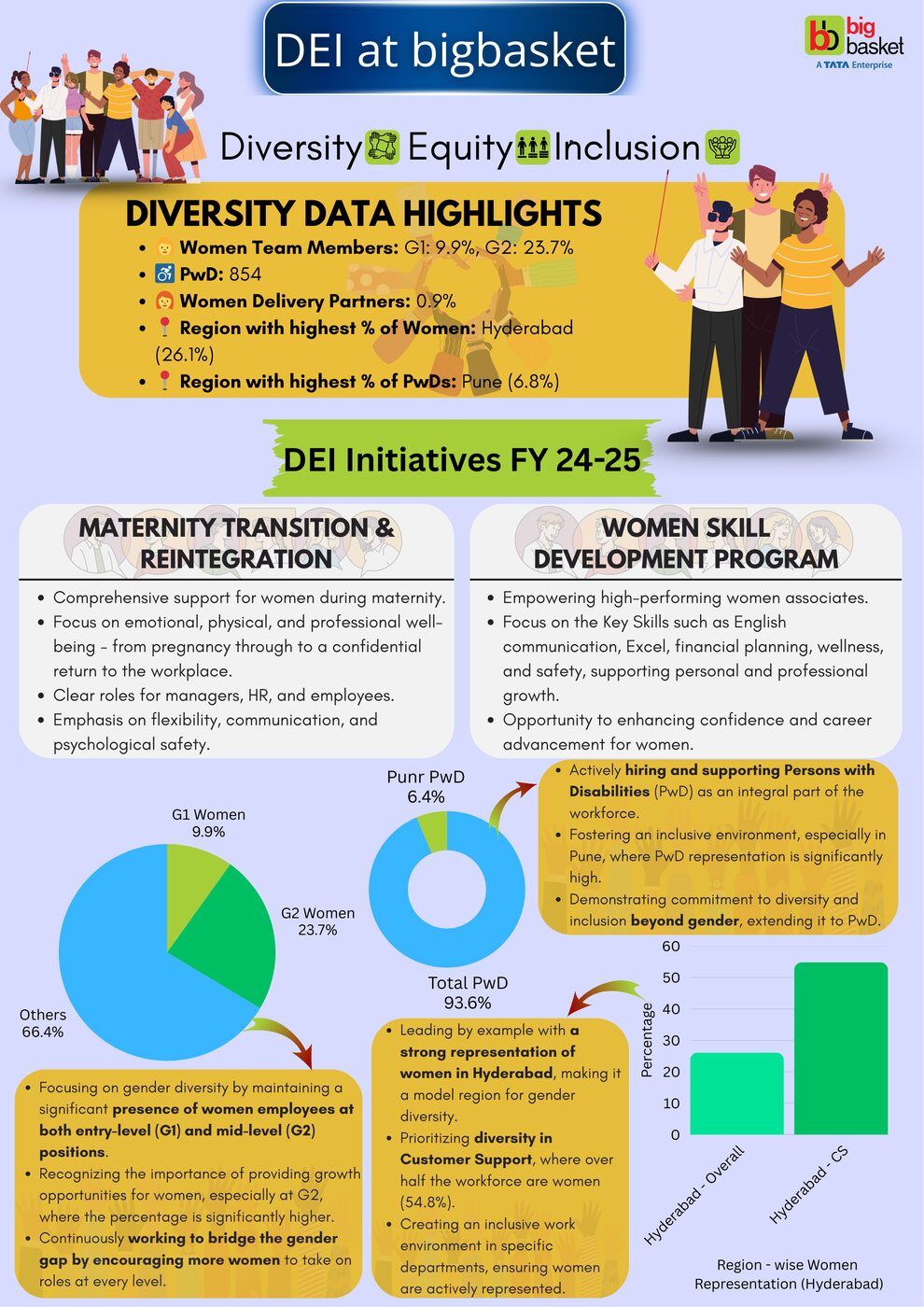
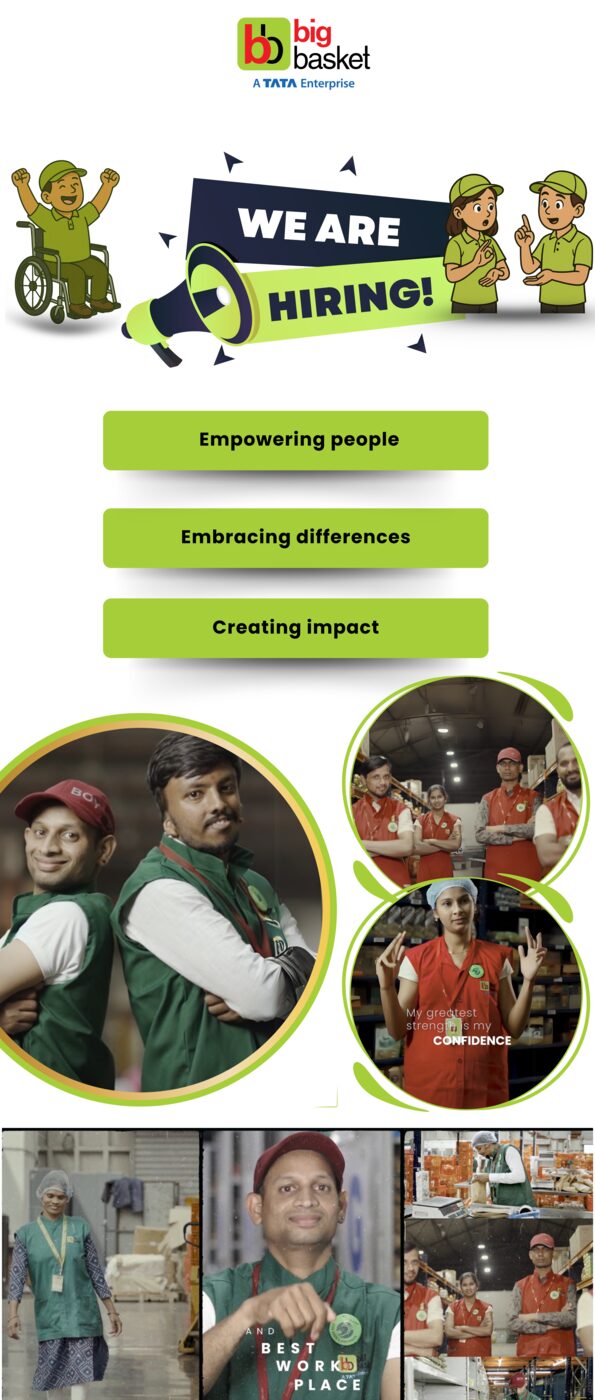
Salary alone no longer decides where talent goes. People want companies that reflect their values, celebrate diversity and create belonging. During my internship at bigbasket (Tata Group), I saw how employer branding and internal communication strengthen culture and engagement.
Beyond Recruitment
Employer branding keeps employees motivated too. Through newsletters, Facebook posts and internal magazines we showcased employee stories and values, so people felt recognised.
Communication Builds Connection
Internal communication is the bridge between leadership and employees. I drafted posts and designed content on culture, leadership messages and employee initiatives — the right tone and storytelling builds belonging.
Culture is the Differentiator
When pay and perks are similar, culture decides. bigbasket's values — Respect, Integrity, Humility, Ownership — embedded in communication gave employees pride.
Conclusion
Employer branding is a necessity. Culture is the new currency, and communication makes it real — an intersection of storytelling, strategy and culture-building where I aim to grow.
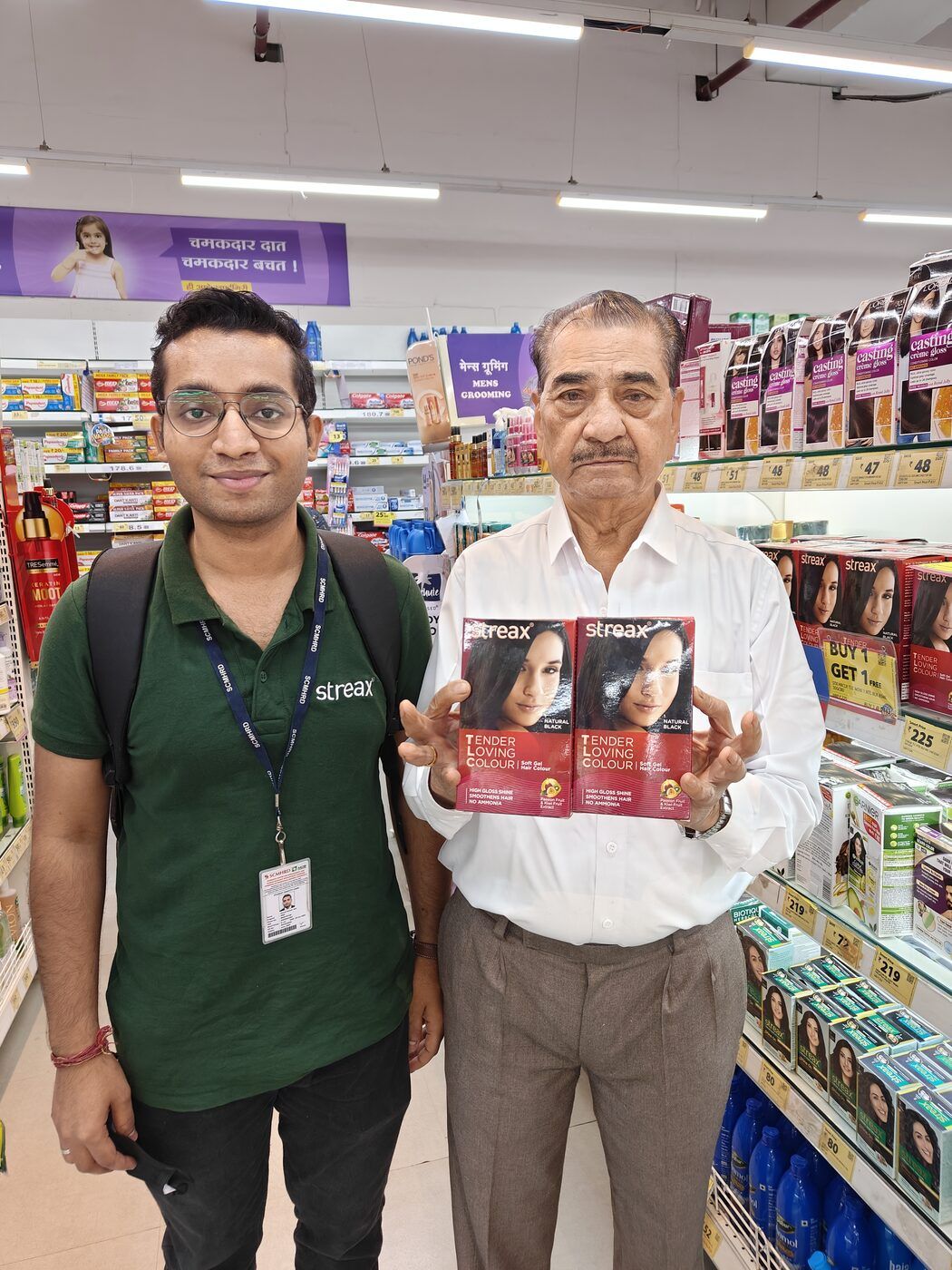
Market research's true value lies in turning insights into action. On my live project with Streax (Hygienic Research Institute), I analysed products, competitors and customer preferences, and recommended improvements for sales and visibility.
1. Placement & Visibility Matter
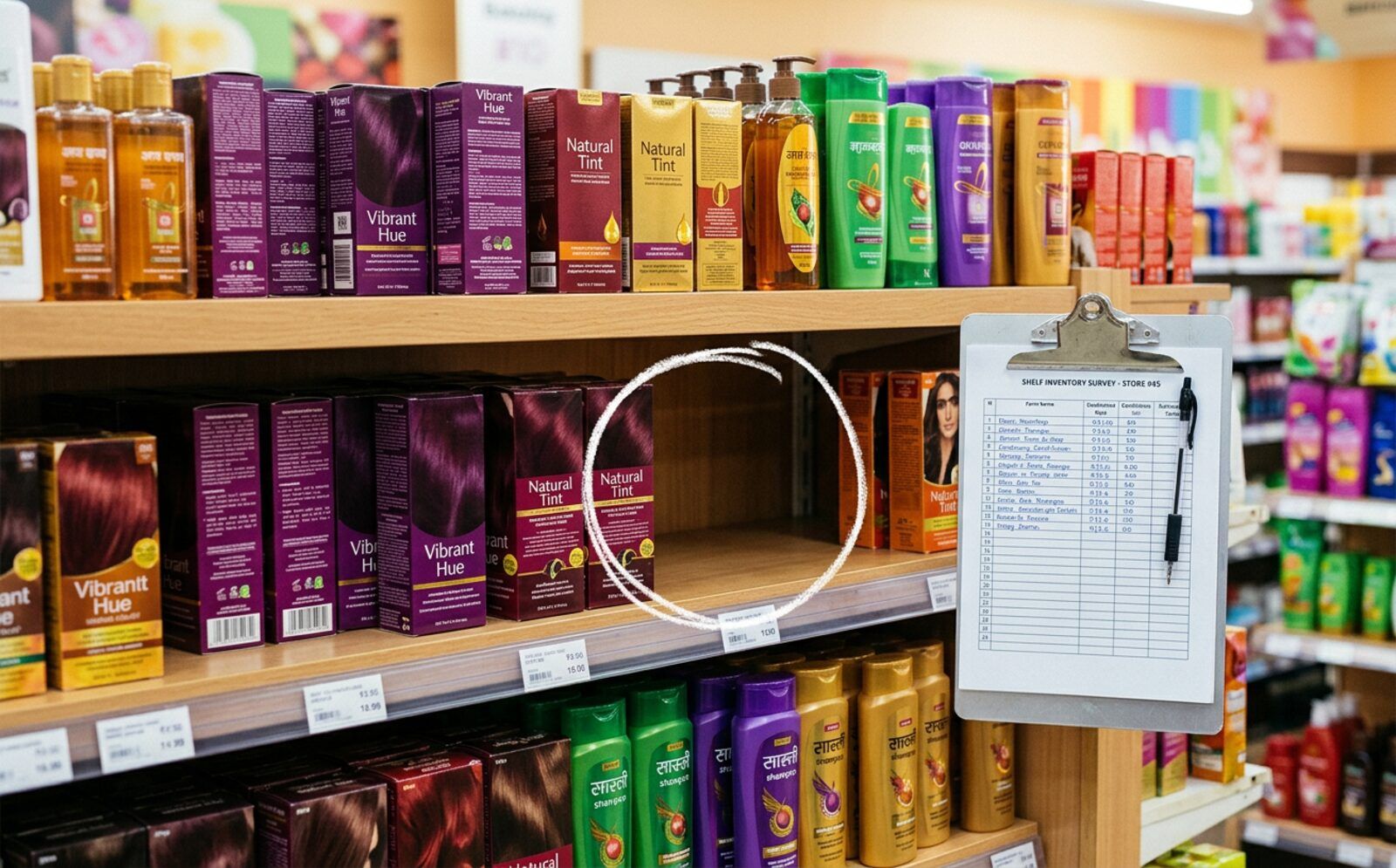
Limited displays and poor stock availability reduced Streax's visibility versus competitors — merchandising is a sales driver.
2. Competitor Benchmarking Brings Clarity
Competitors leaned on special displays and discounts, which Streax could adopt to strengthen in-store presence.
3. Listening to Customers
Store-floor conversations showed customers wanted more variety and better accessibility — clear openings for range and promotions.
Conclusion
Research is about the stories hidden in customer choices, competitor tactics and shelf visibility — and connecting them to actionable strategy.
Sales is where strategy meets reality. My time at iFortis Corporate and Madhu Traders taught me sales is about understanding people, building trust and solving problems.
1. Sales Builds Customer Empathy
Selling AARAMBH 2.0 at iFortis meant pitching and handling rejection. Every “no” carried a story — listen first, adapt, stand in the customer's shoes.
2. Operations Strengthen Brand Reliability
At Madhu Traders I handled logistics, suppliers and deliveries. On-time delivery and smooth communication build trust — the bridge between marketing promises and loyalty.
3. Negotiation and Communication are Core Marketing Skills
Presenting value, handling objections and building relationships drive both sales and great campaigns.
Conclusion
Sales is a classroom for marketers — empathy, trust and communication, grounded in real customer experience.